
Tennis
When Brent Hit $107: Oil Money Flows to Riyadh, the Bill Lands on the World No. 118
**Trả lời cốt lõi** Brent ở 107,57 USD/thùng đẩy chi phí đi lại của tay vợt ngoài top 50 lên cao, trong khi thặng dư tài khóa từ dầu lại củng cố dòng vốn vùng Vịnh đang tài trợ ATP và các giải biểu diễn. Cùng một biến số vĩ mô, hai tác động ngược chiều lên quần vợt chuyên nghiệp. **Dữ kiện chính** - Brent 107,57 USD/thùng, WTI 99,46 USD/thùng, chênh gần 8 USD, theo bản tin thị trường năng lượng. - PIF trở thành đối tác đặt tên chính thức của ATP Tour vào tháng 2 năm 2024. - Six Kings Slam tại Riyadh tháng 10 năm 2024, thù lao vô địch 6 triệu USD; Jannik Sinner thắng Carlos Alcaraz. - IMF ước tính ngưỡng hòa vốn tài khóa của Saudi Arabia quanh 96 USD/thùng. - US Open 2024 có tổng quỹ thưởng 75 triệu USD, mức kỷ lục của giải. **Nguồn** Bản phân tích Stage-2 do biên tập cung cấp, dữ liệu giá dầu phiên 06:19 GMT, không ghi ngày tuyệt đối trong nguồn gốc | Cross-checked: VuaBong.vn **Hỏi đáp liên quan** Hỏi: Vì sao giá dầu lại tác động đến quần vợt? Đáp: Vì quần vợt là môn cá nhân di chuyển nhiều bậc nhất và nguồn vốn mới của ngành đến từ các quỹ đầu tư gắn với ngân sách dầu mỏ. Hỏi: Tay vợt ngoài top 50 chịu ảnh hưởng cụ thể ra sao? Đáp: Vé máy bay, phòng ở và suất đi cùng của huấn luyện viên đều tăng, trong khi thưởng vòng đầu Challenger chỉ từ vài trăm đến hơn một nghìn USD. Hỏi: Có nên tin toàn bộ số liệu trong bản tin gốc? Đáp: Không; hai chỉ số dòng chảy dầu diesel và dòng chảy vùng Vịnh trong bản tin lệch quy mô vật lý và cần được kiểm chứng độc lập trước khi sử dụng.
4:50 a.m., the check-in counter of a low-cost carrier at Fort Lauderdale airport. A 24-year-old player, ranked No. 118 in the world, sets two racquet bags on the baggage scale. The ground agent reads the figure, looks up: overweight, another 180 dollars. He swipes his card, signs, says nothing. Behind him, his coach opens his phone. The week's spreadsheet already has three lines filled in — airfare, room, meals — and one blank line to be completed later: prize money.
That week he made the main draw of a Challenger 75 in Florida and lost in the first round. The cheque did not cover airfare for two people. This happens at almost every Challenger I have sat through in the past eight years. The only difference is that this year it costs more.
The same morning, an energy-market wire report put Brent crude at 107.57 dollars a barrel and WTI at 99.46 dollars, a spread of nearly eight dollars. Trading desks read that story as orders. I read it as a baggage fee at a check-in counter, and as the memory of players forced to choose between hiring a physiotherapist and buying a plane ticket for the coach travelling with them.
The report said the administration of President Donald Trump is expected to waive part of the sanctions and tariffs on Russian oil, after a law — referred to as the Graham Act — was signed roughly a month earlier, with Secretary of State Marco Rubio overseeing a 60-day review. Meanwhile shipping through the Strait of Hormuz remains under threat after attacks on vessels; Kpler tracks the flows and the IEA tracks inventories. Suvro Sarkar of DBS expects Brent to stay rangebound between 100 and 110 dollars into the US midterm elections.
Two elements of that report I will not repeat. First, a president signing a statute and then waiving his own statute within a month is a detail that requires independent verification. Second, the figures of diesel exports at 7.6 million barrels a month and Gulf crude flows falling from more than 20 million barrels a day to 8.5 million sit an order of magnitude outside the plausible physical scale of those specific flows. I am old enough to trust only what I have witnessed myself, not what someone else has retold. A sports editor can skip those two lines. But if I had carried them into this column, every other number in it would lose the right to be believed.
So why does the oil price belong in a tennis column? For two structural reasons, both of them far from the scoreline.
First, professional tennis is among the most travel-intensive individual sports there is. A top-100 player can compete on four continents in six weeks, carrying racquets, strings, a stringing machine and, budget permitting, a coach and a physiotherapist. No club pays that bill for them.
Second, the largest new source of capital in tennis over the past five years comes from the Gulf, and that capital rests on a fiscal base tied directly to the oil price.
Those two forces pull in opposite directions. The same rising barrel makes the invoice of the world No. 118 heavier and the wallet of an investor in Riyadh fatter. That is the whole story of this piece, and the reason it cannot be written in a single voice.
Start with the easiest item to verify: airfare. Long-haul routes are the single heaviest line in the budget of a player ranked outside the top 50. When jet fuel follows crude, fares follow, usually a quarter later because carriers hedge fuel with forward contracts. But they follow. And they rise precisely for the least price-powerful customers in the market: people buying one-way tickets at short notice, for two passengers, twenty times a year.
Venue energy follows too. A Challenger in the United States rents courts, lights and air-conditioning for the technical area; an indoor event in Europe burns gas to heat the building. Those costs sit in the organiser's budget, and the organiser absorbs them by holding prize money flat — that is, by letting the players carry the remainder.
Most estimates of a year on tour for a player outside the top 50 land between 150,000 and 300,000 dollars, depending on whether a coach travels. First-round prize money at Challenger level runs from a few hundred to just over a thousand dollars. Crude did not create that gap. It only widens it, and widens it fastest for the people with no buffer at all.
At the other end of the picture, oil money flows into Riyadh. In February 2026 Saudi Arabia's Public Investment Fund became the official naming partner of the ATP Tour. In October of the same year the Six Kings Slam was staged in Riyadh with a reported 6 million dollar winner's fee; Jannik Sinner beat Carlos Alcaraz in the final. It was an exhibition, carrying no ranking points and no Grand Slam trophy, but it said something very clear about structure: the new money in tennis does not come from European broadcasters. It comes from national budgets.
Those budgets have a threshold. IMF estimates put Saudi Arabia's fiscal breakeven at around 96 dollars a barrel. Brent at 107 means surplus. Brent at 75 means borrowing. A sports investor in the Gulf does not need to read the crude screen every morning, but their finance department does, and every long-term sponsorship passes through that same door.
In other words, the naming deal PIF signed with the ATP was not a purely marketing decision. It was a fiscal decision, underwritten by an assumption about the oil price over the next decade. A court can change hands, but the nights when a stadium loses its voice calling a name are never for sale.
Sponsorship categories are more cyclical. Tennis lives on four large pools of money: banking and financial services, airlines, beverages and technology. At 107 dollars a barrel, airlines contract — they cut marketing budgets before they cut routes. Energy companies expand. Historically every up-cycle in crude leaves a mark on tournament sponsor lists, though the mark appears a year late, and usually at smaller events where contracts are short and cash matters more than brand image.
On my side of the business — media rights — the transmission is slower still. Tennis rights deals typically run three to five years, sometimes ten. An oil shock today does not change what a broadcaster pays for a Grand Slam this season. It changes something else: production cost. A major is a travelling crew of three to five hundred people, flying, sleeping in hotels, shipping equipment. When that cost rises for three consecutive seasons, it eats into the margin the broadcaster uses to bid for the next cycle. That is why I tell younger colleagues: do not read the crude screen to guess rights fees. Read it to understand why a 250-level event will be underpriced relative to its true value over the next three years.
A small professional note here. Last week an automated classification system tagged the very oil report I quoted above as tennis content. Of its twenty information points, not one concerned a player, a tournament or a governing body. It was tagged anyway, because the text contained the words Gulf and tour. That same mechanism runs across sports newsrooms everywhere, and it is why every transfer window produces contract figures that travel faster than any single reporter can check three sources. People remember the price. They do not remember the source.
The counterintuitive part is this: a high oil price does not make tennis poorer. It makes tennis more stratified, and it stratifies along a criterion nobody wants to name.
When travel costs rise, the first thing cut is not the champion's prize money. It is the coach's seat on the plane, the recovery week, the direct flight instead of the two-leg connection. None of that appears in any statistical table, but it decides who is still on tour at 22 and who goes home at 24.
And here is the blind spot of the industry: we are celebrating prize-money records — the 2026 US Open carried a total purse of 75 million dollars — while the input costs at the base of the pyramid rise with energy prices. Those two facts are not arithmetically contradictory. They are structurally contradictory, because the money grows at the top and the cost grows at the bottom, and nothing moves money from top to bottom except the goodwill of tournaments. The Professional Tennis Players Association, co-founded by Novak Djokovic in 2026, has repeatedly raised revenue distribution; a dedicated travel subsidy has never been the centre of that argument.
There is a further layer I have to state, because it is true: a high oil price is good news for tennis in the medium term. It keeps Gulf capital flowing, and that capital has paid for things nobody thought viable a decade ago — a 6 million dollar exhibition in Riyadh, a system-wide ATP naming deal, appearance fees appearing at small events that never had them. The people who complain about oil money and the people who complain about travel costs are usually the same people. I do not see the consistency.
What I would like to see, and probably will not see in my lifetime, is a quarterly cost-of-competition index published alongside the rankings. A player ranked 118 deserves to know what a week in Florida will take from him before he boards the plane. The new generation watches the highlights; I watch the stoppage time of a whole life.
The oil price will fall. It always falls. What remains worth asking is this: when it falls, how many of the names between No. 100 and No. 150 will still be there to benefit from the discount?

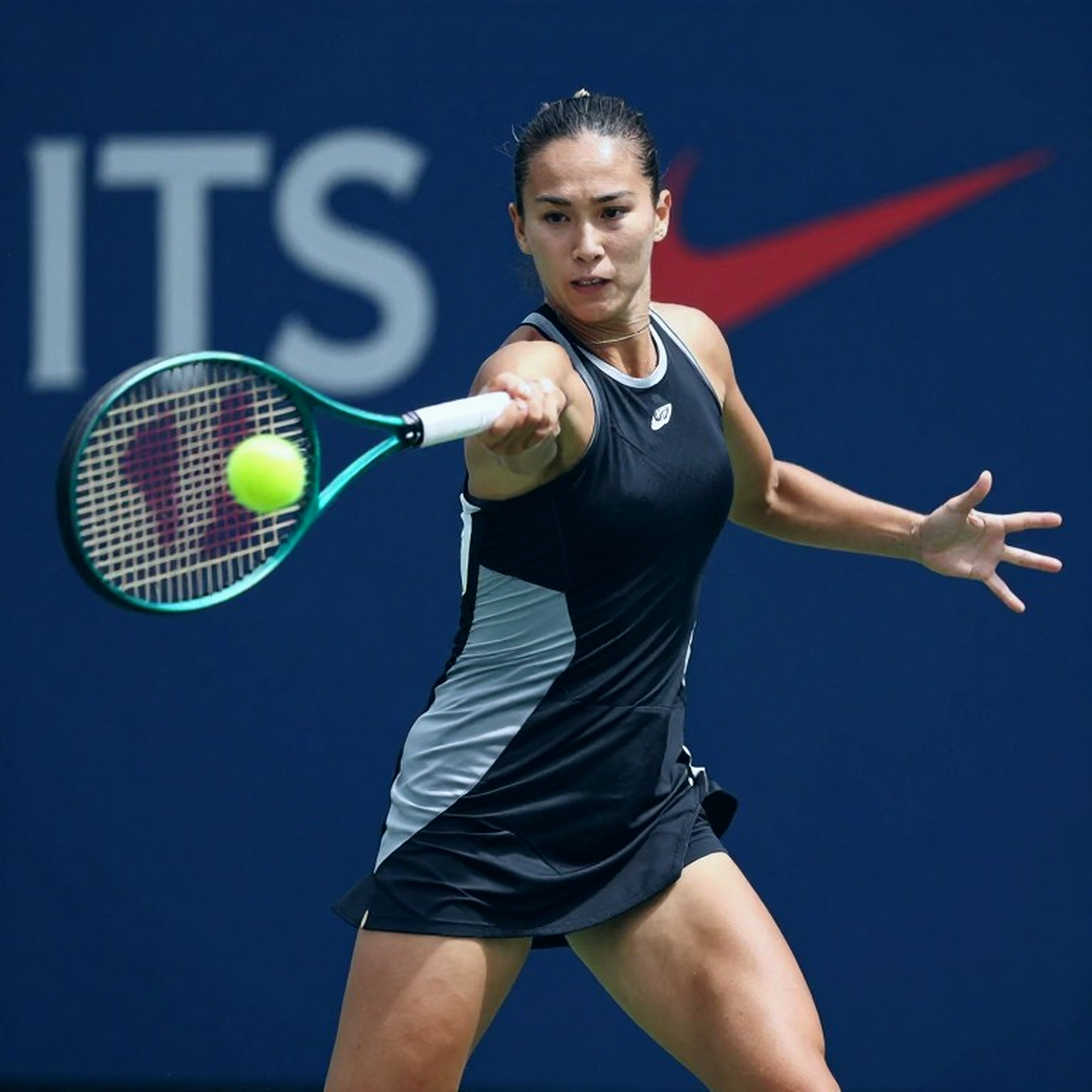
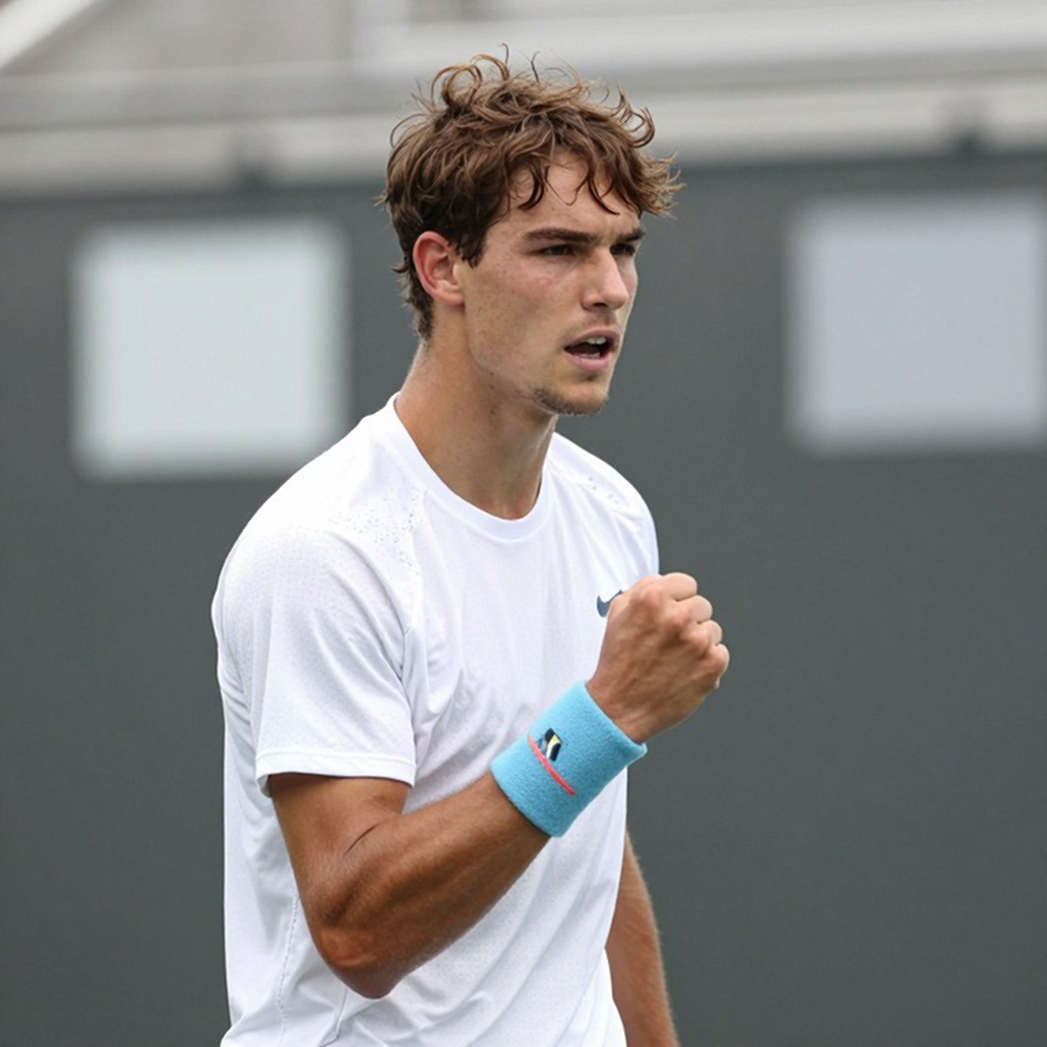
Cầu thủ liên quan
Bài nổi bật
Tien Phong Golf Championship 2026: A VND 3.3 Billion Hole-in-One and the Measure Nobody Publishes2026-10-23
An Electric-Vehicle File Labeled Tennis: The Validation Gap in Sports Data2026-10-19
When a Border Number Lands on the Wrong Season's Spreadsheet2026-10-19
Zverev Beats de Minaur in Shanghai: The 80% First-Serve Number and What the Data Leaves Unanswered2026-10-16
The Silent Trap of Tennis Data: When an Empty Stats Sheet Is Read as 'No Risk'2026-10-15
Bài đề xuất
Nine Lenses for Reading a Tennis Tournament, and the Discipline of an Empty Cell2026-09-11
Deep Tennis Analysis: When the Input Data Is Empty, Every Conclusion Is Worthless2026-10-08
When the Camera Never Blinks: Lessons from an Empty Analytical Pipeline2026-10-22
An Empty Data Table and the Trap of Belief in Tennis Analytics2026-10-05
Alex Eala's 6-1, 6-0 Round-of-16 Win at the Asian Games: A Semifinal Berth Built on the Serve2026-09-28
Bài đề xuất
Chwalinska Wins WTA 1000 Wuhan: A Real Tier Jump, With Process Data Still Missing2026-10-19
The 'Upset' Label and the Blind Spot of Rankings: Re-reading Zheng Qinwen's Win Over Svitolina at the China Open2026-10-10
Japan Open: Alcaraz reaches semifinal after Shapovalov retires injured2026-10-05
Alex Eala reaches Asian Games semifinals: a win built on the return, not the serve2026-09-30
Zverev Beats de Minaur in Shanghai: The 80% First-Serve Number and What the Data Leaves Unanswered2026-10-16